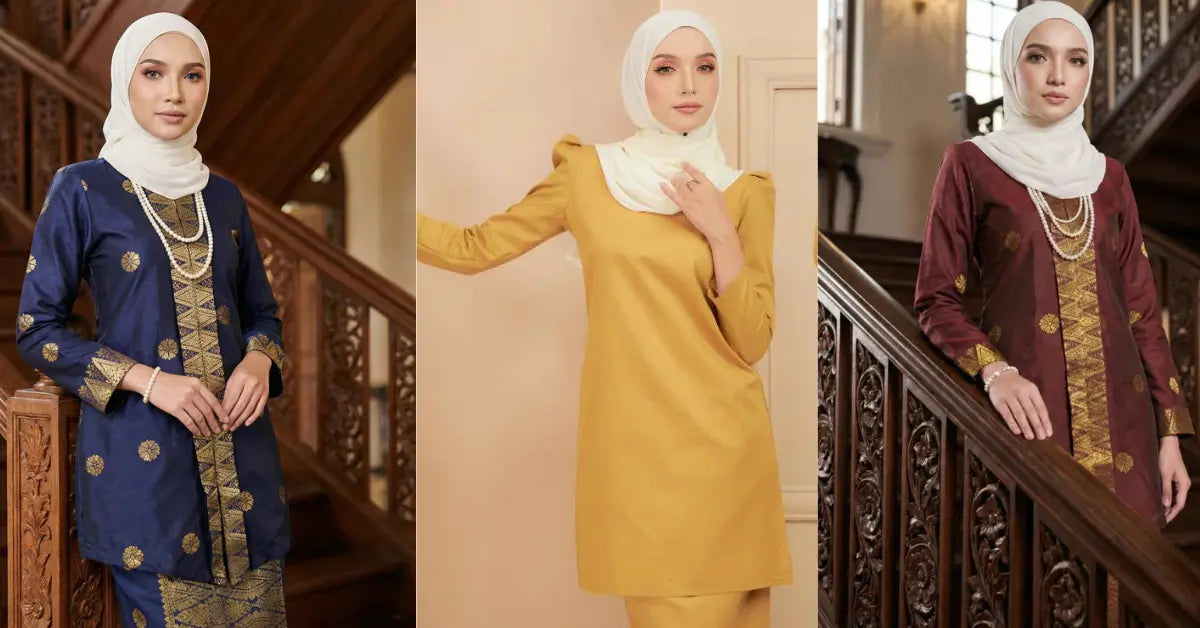
Batik vs Songket in Malaysian Traditional Wear: Key Differences Explained
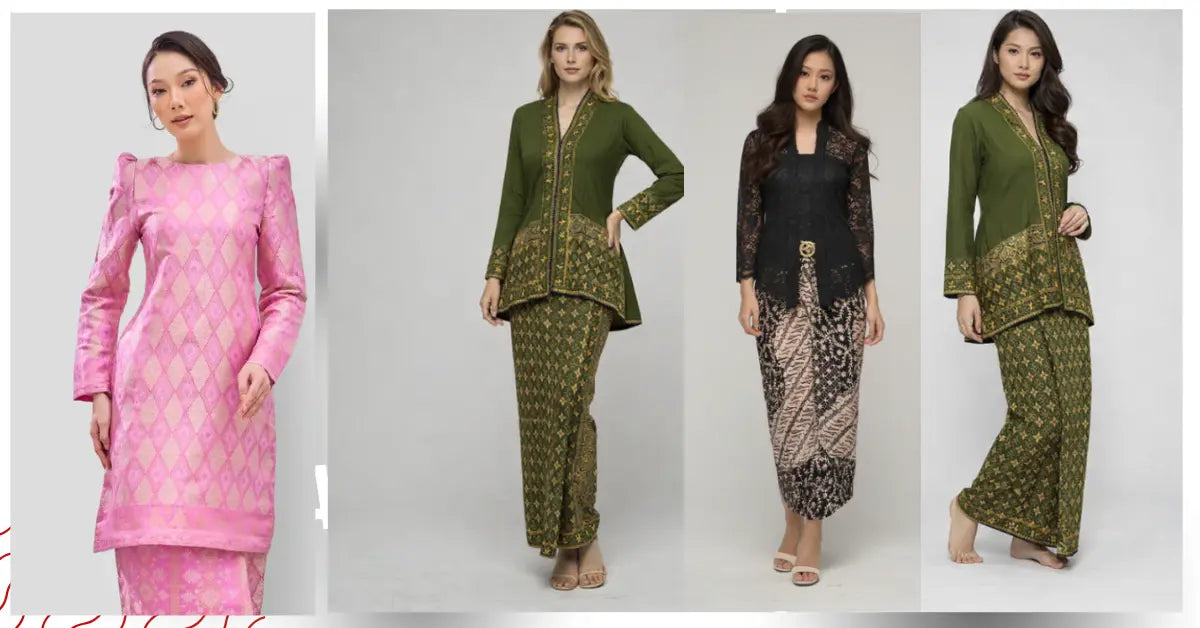
Batik vs songket in Malaysian traditional wear is a common comparison for anyone exploring local fashion, heritage textiles, and festive style. Both fabrics are important in Malaysian culture, and they continue to shape the look of traditional and modern outfits. Even so, they are unique in technique, texture, and overall appearance.
Understanding these differences can help shoppers and fashion lovers make better style choices. While batik is often known for its artistic patterns and lightweight feel, songket is usually associated with woven detail, structure, and formal elegance. Each plays a unique role in Malaysia traditional wear and remains relevant in today’s fashion scene.
What Is Batik in Malaysian Fashion
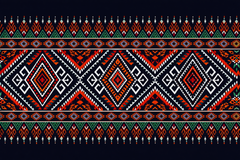
Batik is a decorative textile created through a wax-resist dyeing process. The fabric is treated with wax in selected areas before being dyed, which creates flowing motifs and artistic patterns. In batik in Malaysian fashion, these designs often reflect floral themes, natural inspiration, and soft visual movement.
Batik is frequently used in apparel appropriate for everyday wear, semi-formal events, and celebratory get-togethers due to its breathable quality and lighter feel. It is widely appreciated for its comfort and creativity, which is why batik remains a strong part of Malaysian cultural fashion today.
What Is Songket in Malaysian Traditional Wear
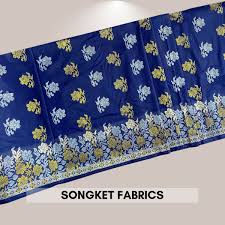
Songket is a traditional woven fabric made by inserting metallic or coloured threads into the basecloth. This weaving technique creates raised motifs and decorative patterns that give the fabric a richer and more luxurious look. In Malaysian traditional wear, songket is often linked to ceremonial dressing and special occasions.
The overall effect of songket is more structured and regal than batik. It has long been associated with heritage, status, and formal presentation. This is one reason songket continues to be valued as one of the most recognised forms of traditional textile Malaysia.
Batik vs Songket in Malaysian Traditional Wear: Key Differences
The most important difference between batik and songket lies in how they are made. Batik is created through a dyeing method using wax, while songket is produced through weaving. This gives batik a softer and flatter visual finish, while songket has more texture and detail.
There is also a clear difference in overall style. Batik patterns usually look fluid and expressive, with a more artistic character. Songket patterns are often more symmetrical and refined, which gives them a formal and decorative presence. This makes the comparison between batik vs songket Malaysia especially useful for anyone choosing outfits for different occasions.
Batik Patterns vs Songket Weaving
When comparing batik patterns vs songket weaving, the visual contrast becomes even clearer. Batik often features printed or dyed motifs that spread naturally across the fabric surface. These patterns feel softer and more relaxed, which is why batik is often considered versatile and approachable.
Songket weaving creates a more dimensional finish. The motifs are built into the fabric itself, often with metallic threads that reflect light and add richness. This woven effect makes songket stand out more in formal outfits and gives it a stronger ceremonial identity within traditional batik and songket Malaysia discussions.
Batik vs Songket: Fabric Feel and Comfort
Comfort is another important point in the difference between batik and songket. Batik is usually lighter, cooler, and easier to wear for longer hours. In Malaysia’s warm climate, this makes batik especially practical for daytime events, casual celebrations, and everyday fashion.
Songket is generally heavier and more structured because of the weaving technique and decorative threads. While it looks elegant, it may not feel as airy for extended wear. For this reason, many people reserve songket for weddings, evening functions, and occasions where appearance is the main priority.
Batik vs Songket: Which One Should You Choose
The better choice depends on the occasion, comfort level, and style preference. If you want something artistic, breathable, and simple to wear, batik is often the more practical option. It suits modern dressing well and works beautifully in softer silhouettes.
If you want a more formal and luxurious effect, songket is often the stronger choice. Its detailed construction and structured look make it ideal for ceremonial settings. For shoppers exploring elegant alternatives inspired by heritage style, you can also explore our Malaysian traditional wear collection for pieces that balance tradition with wearability.
How Batik and Songket Are Used in Fashion
Both fabrics continue to influence modern traditional wear in different ways. Batik is often adapted into easier, more relaxed garments because its patterns work well in contemporary silhouettes. Designers frequently use batik-inspired visual themes in outfits that feel modern but still connected to heritage.
Songket tends to appear in a more formal fashion or as a detail within updated designs. Even a small songket element can bring a rich traditional touch to an outfit. This shows how batik and songket traditional designs still shape modern Malaysian clothing in meaningful ways.
Batik vs Songket for Raya and Special Occasions
A common question is 'batik vs songket which is better for Raya?' The answer depends on the type of celebration and how long the outfit will be worn. Batik is often a favourable choice for open houses, daytime visits, and gatherings where comfort matters throughout the day.
Songket is usually better suited for formal Raya settings, weddings, and more polished events. Its visual richness creates a stronger festive statement. For shoppers who prefer graceful and wearable styles for celebrations, you can browse our kebarung collection or discover softer festive silhouettes in our kebarung moden collection.
Why Batik and Songket Still Matter in Malaysian Fashion
The continued relevance of these fabrics shows the strength of Malaysian heritage textiles in modern style. Batik and songket are not only traditional materials; they also represent identity, craftsmanship, and evolving design culture. Their influence can still be seen across many categories of ethnic fashion in Malaysia.
This lasting value is one reason fashion lovers continue searching for batik vs songket traditional wear Malaysia comparisons. People want to understand not only the visual differences, but also how each textile fits into today’s wardrobes. Their role has changed over time, but their cultural importance remains strong.
Exploring Traditional Style Through Modern Wear
Many shoppers today want the beauty of heritage fashion without the heaviness of highly formal textiles. That is why modern interpretations of traditional Malay outfit styles continue to grow. These updated designs offer cleaner cuts, lighter fabrics, and easier everyday wear.
For a more contemporary take on traditional fashion, you can explore our baju melayu collection for classic menswear inspiration or browse refined women’s silhouettes through our kebarung moden collection. These styles reflect the spirit of heritage dressing while remaining practical for modern life.
Conclusion
Understanding batik vs songket in Malaysian traditional wear makes it easier to appreciate the role each textile plays in local fashion. Batik offers softness, creativity, and everyday versatility, while songket brings structure, richness, and ceremonial elegance. Both are important to the story of Malaysian style.
Whether you are exploring heritage fashion for cultural interest or personal style inspiration, this comparison helps clarify what makes each fabric unique. From classic textiles to more wearable interpretations, Malaysian fashion continues to evolve while staying rooted in tradition.
FAQ
What is the difference between batik and songket
Batik is created using a wax-resist dyeing technique, while songket is made through weaving decorative threads into fabric. Batik usually feels lighter and looks more artistic, while songket appears more textured and formal.
Batik vs songket in Malaysian traditional wear: which is better
Neither is better in every situation. Batik is usually better for comfort, casual celebrations, and lighter outfits. Songket is better for formal events, weddings, and more ceremonial dressing.
How are batik and songket used in modern Malaysian fashion
Batik is often used in relaxed and contemporary silhouettes, while songket is more commonly used in formal garments or as a decorative detail. Both continue to influence modern traditional wear in Malaysia.
Keep reading
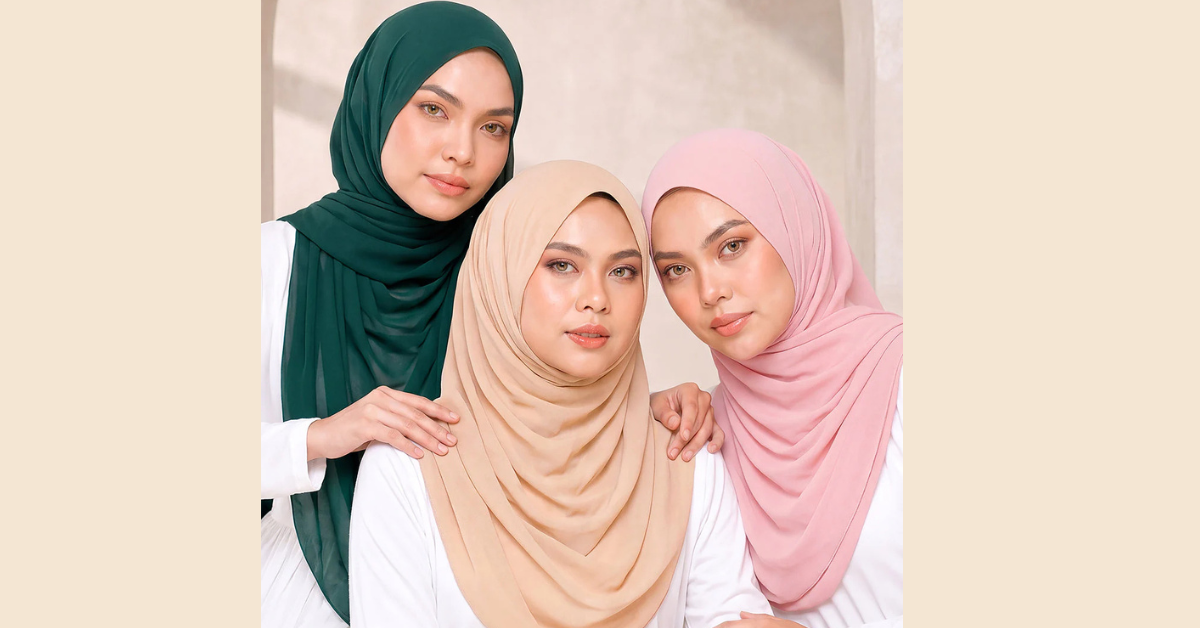
Elegant Hajj Muslimah Fashion: Malaysian Style for Raya, Umrah & Modern Modest Wear

Carlanisa Coupon Code Malaysia 2026– What Actually Works Right Now