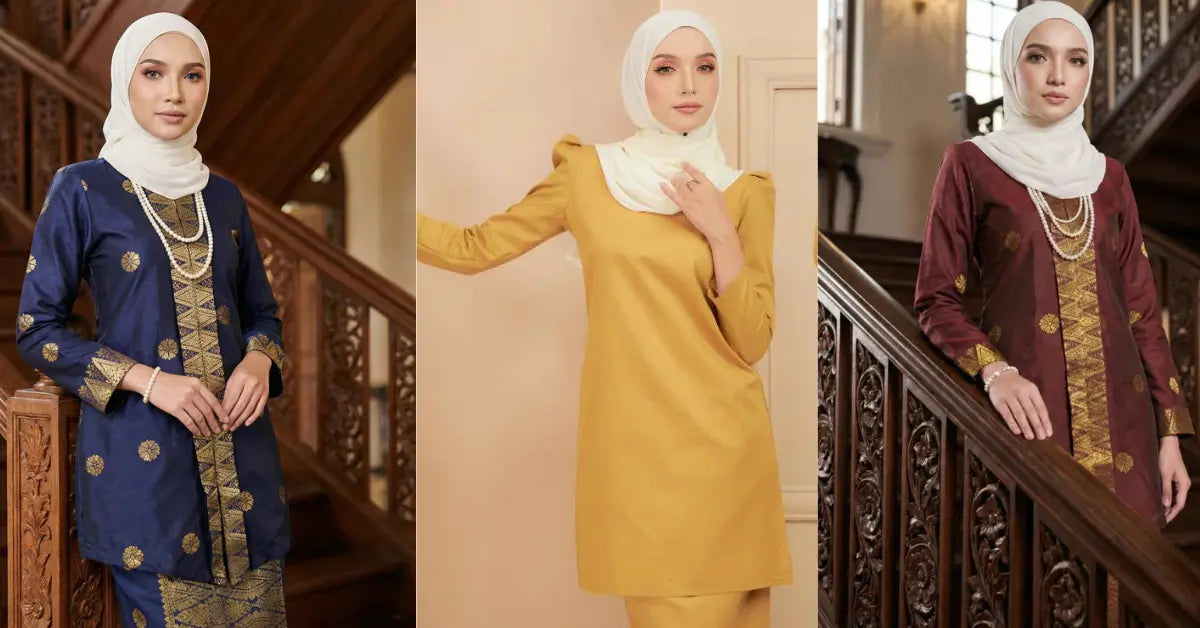
My Traditional Dress Malaysia: A Professional Guide to Cultural Fashion
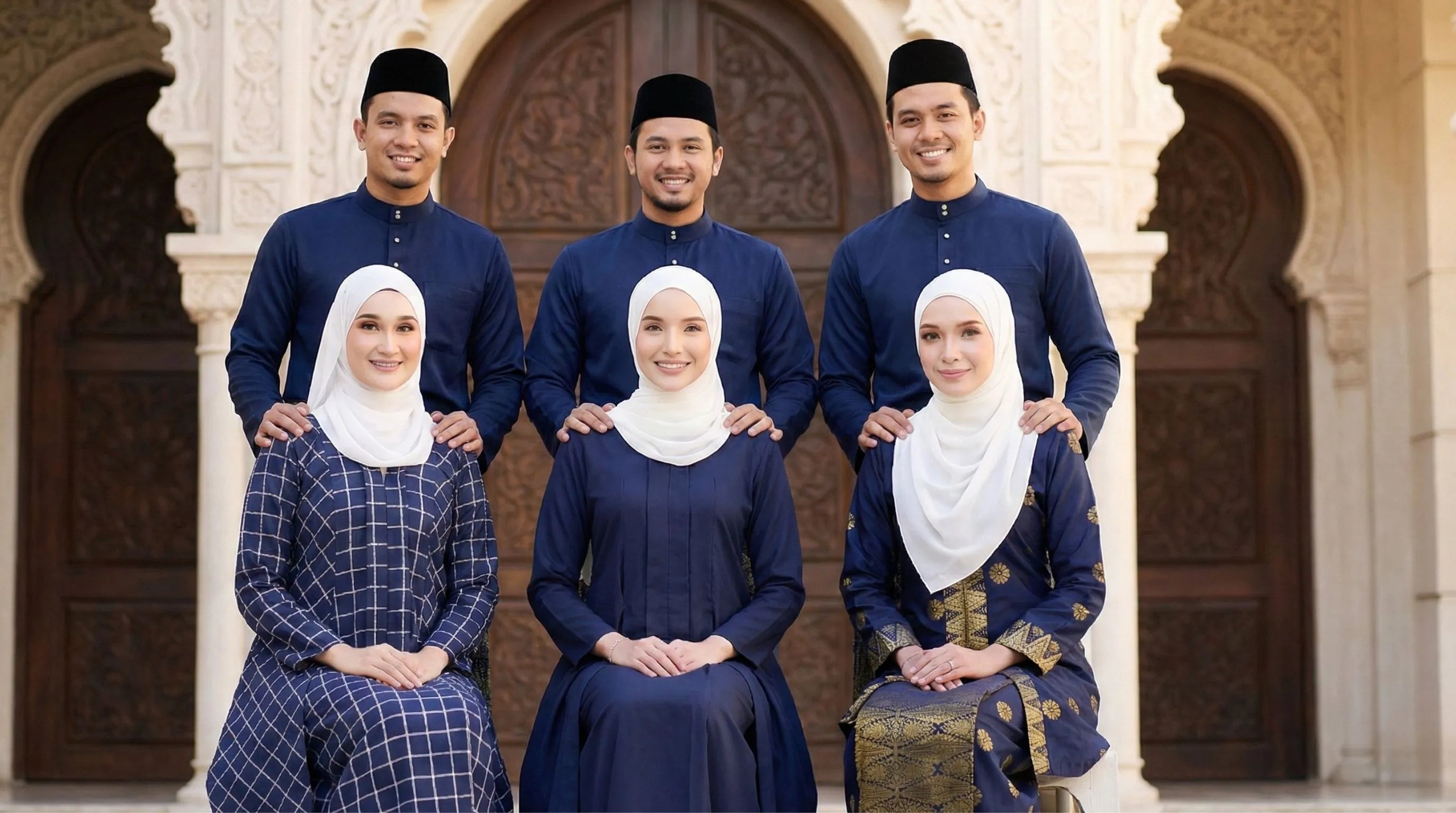
Traditional dress Malaysia reflects the nation’s cultural identity and long-standing heritage. The most recognized garments include the baju kurung, baju kebaya, baju Melayu, and the traditional outfits worn by Indian Malaysian communities. These pieces represent modesty, craftsmanship, and the harmony of Malaysia’s multicultural society.
Female Malaysian Traditional Dress
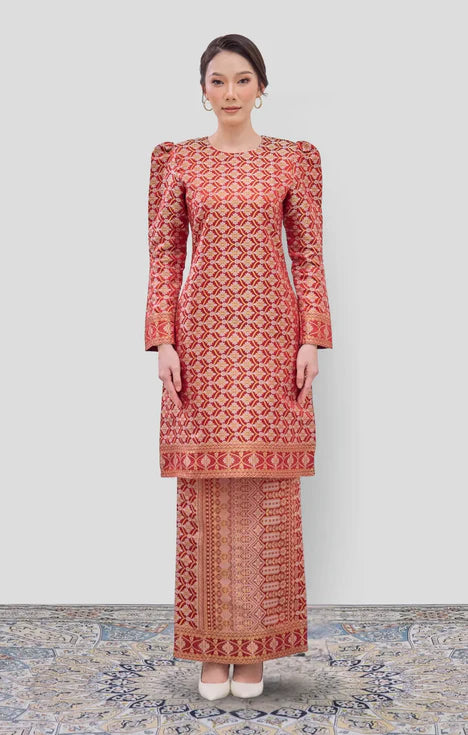
The female Malaysian traditional dress is admired for its modest style and timeless appeal. The baju kurung remains the most widely worn attire among women because of its comfort and versatility. The baju kebaya, known for its fitted structure and lace details, offers a more refined and elegant look. Indian Malaysian attire, such as sarees and Punjabi suits, adds vibrant color and cultural richness, making traditional dress an essential part of Malaysian fashion.
Traditional Malaysian Dress Styles
Traditional Malaysian dress styles vary according to culture and purpose. The baju kurung is the classic everyday style, valued for its simplicity. The baju kebaya provides a more polished appearance suitable for formal settings. For men, the baju Melayu, paired with a samping and songkok, reflects cultural pride. Songket outfits, known for their gold and silver threadwork, are often worn for special occasions. Indian traditional clothing further enhances Malaysia’s diverse fashion identity and supports LSI themes like heritage clothing, cultural attire, and traditional fabrics.
Malaysia Traditional Wedding Dress
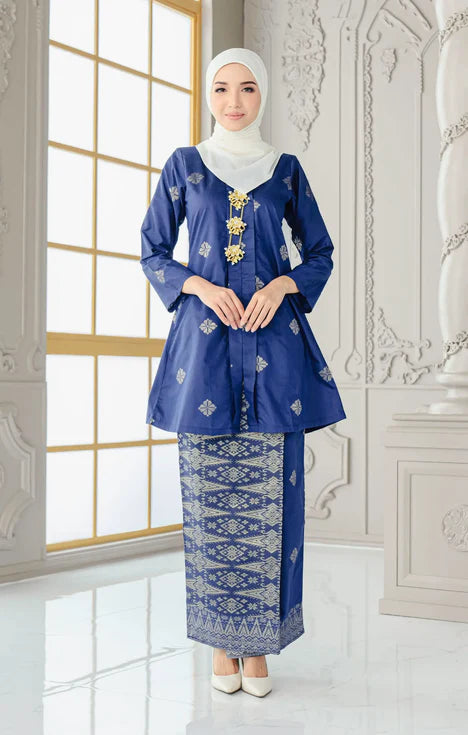
The Malaysia traditional wedding dress stands out for its elegance and cultural symbolism. Malay brides and grooms often choose songket for its luxurious look and royal significance. Popular colors include gold, maroon, and emerald, paired with detailed embroidery. Indian Malaysian brides typically wear sarees or lehngas, known for their bold colors and detailed craftsmanship. Wedding attire across Malaysia blends tradition with modern fashion influences, supporting LSI terms like cultural weddings, traditional bridal wear, and ceremonial clothing.
Traditional Malaysian Fabrics
Malaysia is known for two signature fabrics: songket and batik. Songket, handwoven with metallic threads, creates a shimmering ceremonial appearance and strongly represents cultural heritage. Batik, featuring wax-resist patterns and vibrant colors, is suitable for both casual and formal wear. These fabrics highlight LSI themes such as traditional textiles, Malaysian handicrafts, and heritage fashion.
Why Traditional Dress Still Matters
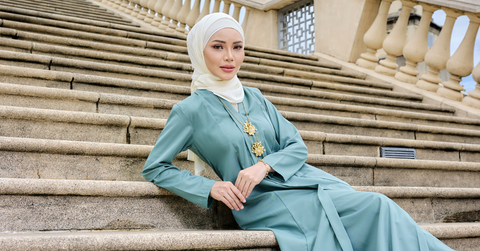
Traditional clothing continues to play an important role in Malaysia because it reflects cultural values, elegance, and national identity. While styles evolve with modern trends, the essence of traditional dress remains unchanged. It represents respect for heritage and stays relevant in festivals, daily wear, and ceremonies, matching LSI terms like cultural pride, traditional fashion significance, and modern traditional wear.
Conclusion
Traditional dress in Malaysia showcases a blend of modesty, culture, and artistic detail. From the simplicity of the baju kurung to the luxury of wedding songket, each style carries history and meaning. These garments continue to celebrate Malaysia’s identity while adapting to modern fashion trends, aligning perfectly with the search intent for traditional Malaysian attire, female traditional wear, and wedding dress Malaysia.
Keep reading
Elegant Hajj Muslimah Fashion: Malaysian Style for Raya, Umrah & Modern Modest Wear

Carlanisa Coupon Code Malaysia 2026– What Actually Works Right Now